How to Renovate on a Budget: 10 Smart Ways to Save
Ten concrete ways to save on a renovation without cutting quality — keep the layout, hold the plumbing, spend where it counts and lock a fixed price.
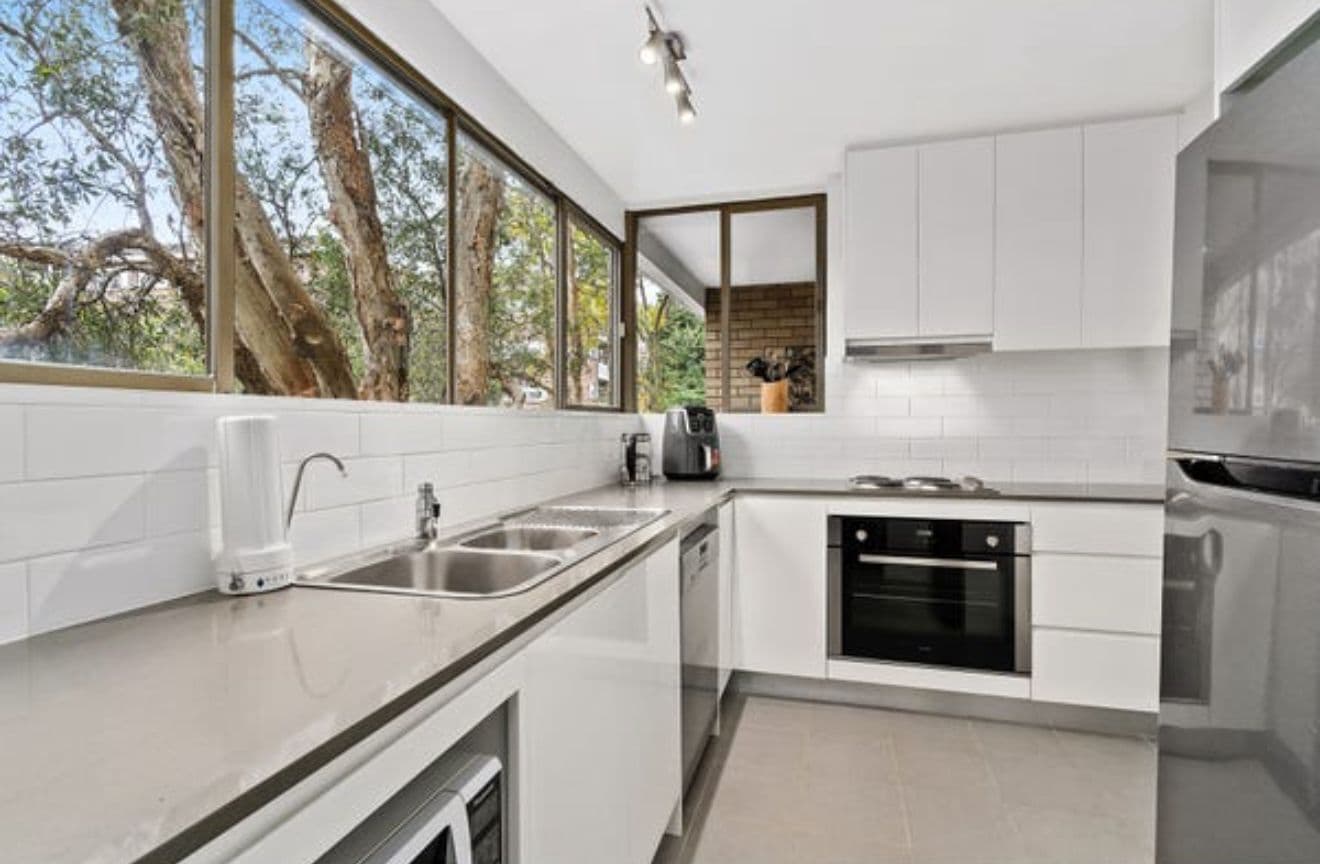
You can renovate well on a budget — the trick is to save on the structure of the job, not the quality of the finish. The biggest savings come from keeping the existing layout, not moving the plumbing, and locking a fixed price so there are no surprises. Get those three right and a modest budget stretches a long way. Here are ten concrete ways to save without ending up with a renovation that looks cheap.
10 ways to save without cutting quality
None of these mean buying the cheapest of everything. They're about spending in the right places and avoiding the costs that add nothing to how the finished room looks or works.
- Keep the layout. Working within the existing footprint avoids structural and services costs — the most expensive changes of all.
- Don't move the plumbing. Leaving the sink, shower and toilet where they are saves new drainage and wall work; it's the single biggest lever on the price.
- Refresh, don't rebuild, where you can. Sound cabinet carcasses can take new doors, benchtops and handles for a fraction of full custom joinery.
- Splurge and save deliberately. Put money into what you touch daily — tapware, benchtop, handles — and save on what's hidden or easily swapped.
- Choose standard tile and slab sizes. Off-the-shelf sizes cut waste, labour and lead time compared with oversized or bespoke formats.
- Buy finishes before work starts. Having everything on site avoids delays, and delays cost money on any job.
- Get every finish decided up front. Changing your mind mid-build triggers variations — the number-one cause of budget creep.
- Do it in one hit if you can. Mobilising trades once and buying materials together beats staging the work over months.
- Use one accountable team. A single builder coordinating every trade avoids the gaps, double-handling and finger-pointing that inflate costs.
- Lock a fixed price. A signed fixed-price contract means the number you agree to is the number you pay — no hourly surprises.
Working to a budget?
Get a free, fixed-price quote so you know your number before you commit — no obligation.
Where to splurge and where to save
The homes that look expensive on a modest budget all follow the same rule: spend on the things your hands and eyes meet every day, and save on the things nobody notices. Quality tapware, a good benchtop, solid door handles and a well-tiled shower are worth the money because you feel them daily. The carcass boxes behind the cabinet doors, the brand of the toilet cistern, the bulk white goods — that's where a smaller budget can quietly do its work. For real 2026 numbers to plan against, see our kitchen renovation cost guide and bathroom renovation cost guide.
Why a fixed price is the biggest saving of all
The costliest renovations are the ones that start cheap and creep. An hourly or 'estimate' job leaves you exposed to every delay, variation and surprise; a fixed-price contract puts that risk on the builder, not you. Choosing a fixed price up front — and planning the job so there are no variations to trigger — is the most reliable way to protect a budget from start to finish.
The Reno Build way
We've delivered more than 5,000 kitchens and bathrooms across the Northern Beaches since 2009, every one on a fixed price with a signed completion date under our 21-day guarantee. With 18 in-house trade teams under one foreman, there's no margin stacked between sub-contractors and no one to point the finger when something slips — which is exactly how we keep quality up and surprises out. Get your free fixed-price quote and see where your budget can take you.
Frequently asked questions
Keep the existing layout, don't move the plumbing, and refresh the finishes rather than rebuilding from scratch. A cosmetic update that reuses the footprint and carcasses is by far the most cost-effective way to transform a room.
Yes — relocating a sink, toilet or shower means new drainage, new wall work and more trade time, and it's usually the single biggest lever on a quote. Leave the wet points where they are and you save thousands before you've chosen a single finish.
Doing everything in one go is almost always cheaper per room because trades mobilise once and you buy materials together. Phasing works better for cash flow, but budget for the fact that bringing teams back later costs more than doing it all at once.
Lock a fixed-price contract, choose all your finishes before work starts, and don't change your mind once trades are on site. Variations and indecision — not the original scope — are what turn a tidy budget into a blowout.
Splurge on the things you touch and see every day — tapware, the benchtop, door handles — and save on things that are easy to change later or that no one notices, like the carcass boxes behind the doors. It's the smartest way to make a modest budget look expensive.